

The Importance of Pet Toys for a Happy and Healthy Companion
In the bustling year of 2026, our furry, feathered, and scaly friends continue to bring immeasurable joy into our lives. As responsible pet parents, ensuring their happiness and well-being is paramount. One of the most effective and enjoyable ways to achieve this is through the thoughtful selection and provision of appropriate pet toys. Toys are not merely for amusement; they are vital tools for physical exercise, mental stimulation, and behavioral development. They help prevent destructive behaviors, reduce anxiety, and strengthen the bond between pet and owner. From energetic pups to curious cats and even our smaller critters, the right toys can transform a pet's life.
Exploring the Diverse World of Pet Toys
The market in 2026 offers an astounding variety of pet toys, catering to every species, age, and personality. Understanding these categories can help you make informed decisions:
For Dogs: More Than Just Fetch
Dogs, with their boundless energy and intelligence, thrive on a diverse range of toys:
- Fetch Toys: Classic balls, frisbees, and retrieving dummies remain perennial favorites for encouraging physical activity and practicing recall. Look for durable, non-toxic materials that are easy to clean.
- Tug Toys: Rope toys, rubber rings, and durable fabric tugs are excellent for interactive play, helping to build strength and satisfy a dog's natural instinct to pull and wrestle. Always ensure you maintain control during tug-of-war to avoid dominance issues.

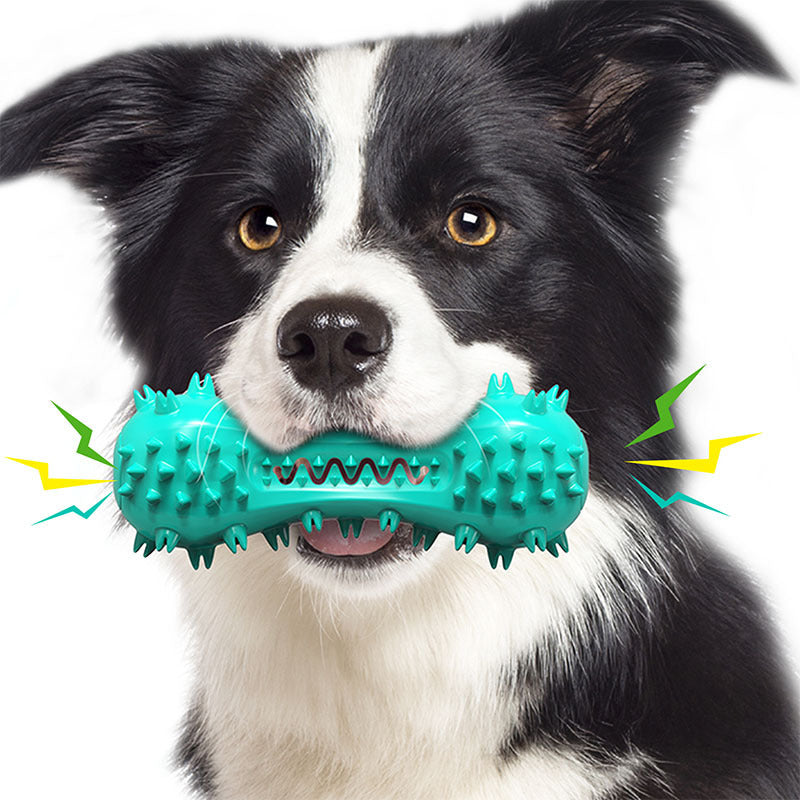
- Chew Toys: Essential for dental health and satisfying chewing instincts, especially for puppies and teething dogs. Options range from natural bones and antlers to durable rubber chew toys and puzzle feeders. Choose sizes appropriate for your dog to prevent choking hazards.


- Interactive & Puzzle Toys: These are game-changers for mental stimulation. Treat-dispensing puzzles, snuffle mats, and electronic interactive toys challenge your dog's problem-solving skills, combating boredom and preventing cognitive decline.
- Plush & Comfort Toys: Soft, cuddly toys can provide comfort and security, especially for anxious or younger pets. Opt for those with reinforced seams and without small, easily detachable parts.
For Cats: Stimulating Their Inner Hunter
Cats, with their predatory nature, require toys that mimic the thrill of the hunt:
- Wand & Teaser Toys: Feather wands, string toys, and laser pointers (used with caution, always ending with a physical toy for them to 'catch') engage their stalking and pouncing instincts.
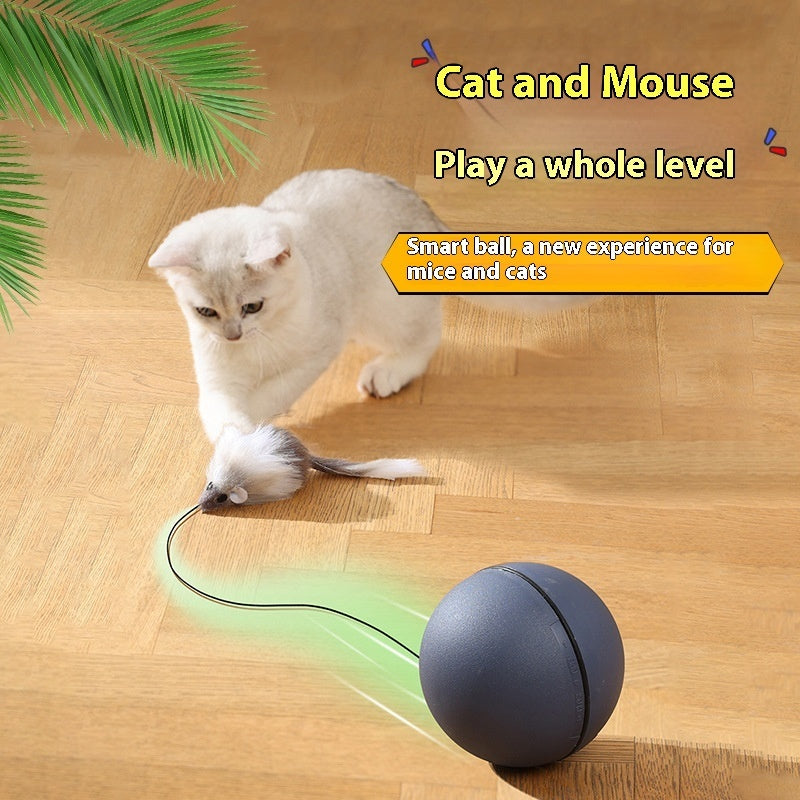
- Crinkle Balls & Small Mice: Lightweight and often noisy, these toys are perfect for batting around, chasing, and carrying.

- Scratching Posts & Pads: Crucial for nail health and marking territory, these also serve as an outlet for pent-up energy. Offer various textures like sisal, cardboard, and carpet.
- Catnip Toys: Infused with catnip, these toys can induce a state of playful euphoria in many felines.
- Puzzle Feeders for Cats: Similar to dogs, cats can benefit from puzzle toys that dispense kibble, encouraging slower eating and mental engagement.
For Small Animals: Enrichment for Every Critter
Even smaller pets like hamsters, rabbits, guinea pigs, and birds need toys to stay active and engaged:
- Chew Toys for Rodents: Untreated wood, hay-based chews, and cardboard tubes are essential for keeping their teeth healthy and preventing overgrowth.
- Tunnels & Hideouts: These provide security and opportunities for exploration, mimicking natural behaviors.
- Foraging Toys: Toys that dispense seeds or treats encourage natural foraging behaviors.
- Bird Toys: A variety of textures, bells, mirrors, and wooden blocks cater to a bird's natural curiosity and need to preen and manipulate objects. Ensure all components are bird-safe.
Safety First: Choosing Wisely
When selecting any pet toy, safety should always be your top priority:
- Material: Opt for non-toxic, durable materials. Avoid small, easily breakable parts that can be swallowed, such as buttons, beads, or loose stuffing.
- Size: Ensure the toy is appropriately sized for your pet. Too small, and it could be a choking hazard; too large, and it may not be engaging.
- Durability: Consider your pet's chewing habits. Aggressive chewers need tougher toys, while gentler pets can enjoy softer options.
- Supervision: Especially with new toys or pets with a history of destroying toys, supervise playtime. Remove any damaged toys immediately.
The Mental Benefits: Beyond Physical Play
While physical exercise is crucial, the mental stimulation provided by toys is equally important. In 2026, we understand more than ever the impact of cognitive engagement on a pet's overall health and happiness. Puzzle toys, scent games, and training sessions using toys can:
- Reduce boredom and prevent destructive behaviors like excessive barking, chewing furniture, or digging.
- Alleviate anxiety and stress, particularly in pets left alone for extended periods.
- Enhance problem-solving skills and boost confidence.
- Strengthen the human-animal bond through interactive play and training.
Conclusion: Investing in Joy and Well-being
Choosing the right pet toys is an investment in your companion's physical health, mental acuity, and emotional well-being. By understanding the different types of toys available, prioritizing safety, and considering your pet's individual needs and preferences, you can unlock a world of fun and enrichment. In 2026, let's commit to providing our beloved pets with the stimulating and joyful experiences they deserve, one toy at a time!